Ngonzini Primary School
Volunteer at Ngonzini Primary School
If you want to make a difference and contribute to the education of children this opportunity will give you plentiful of time to teach, interact and learn a with the children. Supporting other teachers with your skills in areas of language, mathematics, science, sports and other subjects will create a great impact to the child’s education and development. Children here are aged between 5 and 15 years old and the School has both boys and girls coming from the local village. This School provides the much needed education for the children as a key to success so that they can have a brighter future and uplift the community. Being here means you will be providing the guidance and professional skills that a child needs
Next start dates: May to July & September to November
Highlights:
- Programs is available when schools are open only
- Minimum time to volunteer is 2 weeks
- No skills in specific subjects needed volunteers will be supported by the school staff and teachers
- Run activities that help children learn and have fun
- Immerse yourself in the rich cultures and traditions of the local village
- Interact with children in your day to day activities
- Enjoy the ambiance of a beautiful environment close the Indian Ocean
This program is Ideal for:
Volunteers who are interested in working with children, teaching and playing with children of all ages , You’ll be supported by the local teams and placement staff so no working with children experience is required.
What to expect and how you will make a difference
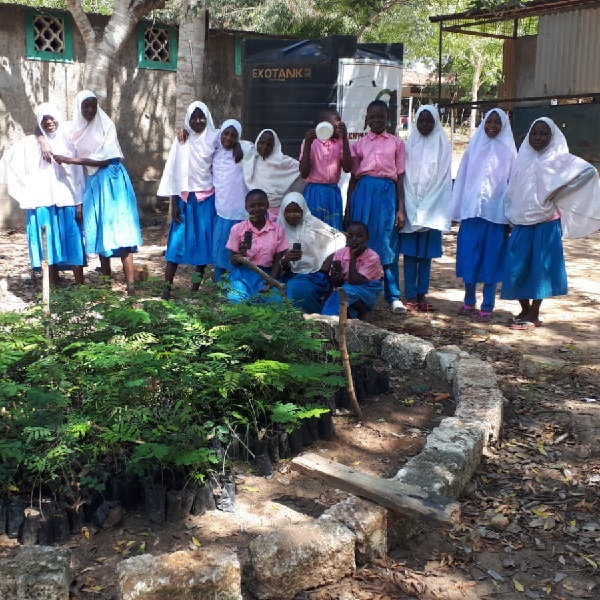
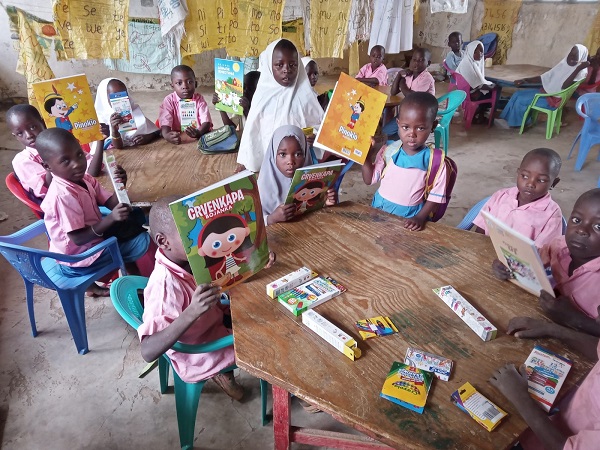
In this program you will work in a school called Ngonzini Primary School, a public school providing education to children of Mwachinga community in the coastal part of Kenya. The School has approximately 400 children aged between 5 and 15 years and runs 11 classes (pre primary 1 and 2, Primary grade 1 to 7 and junior secondary Grade 8 and 9) taking newly established competency based curriculum. Being a public school means the school experiences increased enrolments with fewer teachers to carry the burden of educating the children. Your presence as a volunteer will help bridge the gap and expose the children to new frontiers of thinking and a platform of cultural exchange. While at this project volunteers will get involved in:
- Teaching children in the School
- Coming up with fun learning activities
- Playing with the children indoor and outdoor games and sports
- Organizing tours for children
- Help teachers with marking books and keeping records
- Help children with environmental projects
The aim of this project is for volunteers to provide their invaluable time and contribute through physical and mental support to the efforts of the School support staff and the children .
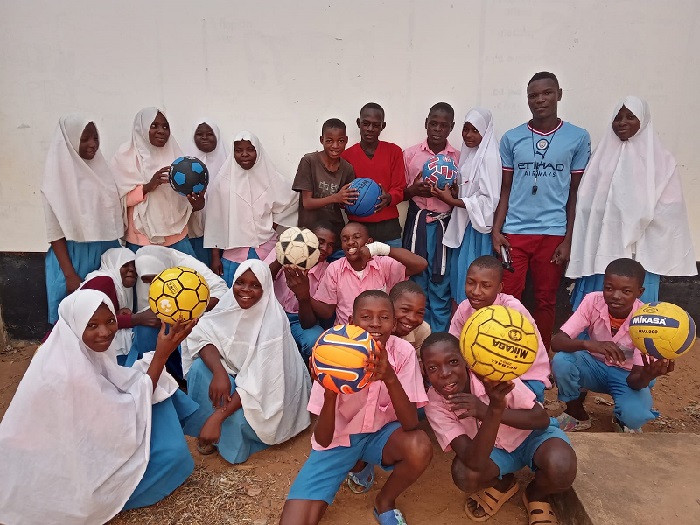
Why you should take part in volunteering at Ngonzini Primary School
When you volunteer in Ngonzini Primary School in Kenya you’ll be adding value to the local community, child development and add to your personal and professional experience by:
- Promoting children welfare and well being
- Protecting the integrity and dignity of children in the society
- Giving a child hope of prosperity in life irrespective of their background
- Imparting knowledge to young school going children and promotion of cultural exchange
- Immersing yourself in Kenyan culture
- Discovering Kenya’s rich history
Volunteer requirements
- Volunteers must be of 18 years and above
- All volunteers are required to provide a criminal background check to Siriafrika Ecoventures prior to departure. If unable to obtain a criminal background check, volunteer can provide two character reference letters instead
- All volunteers are required to have adequate travel insurance
- Volunteers should be able to communicate in English and be ready to learn new language.
- No teaching skills in any subject required however prior experience of teaching will be an added advantage.
Location
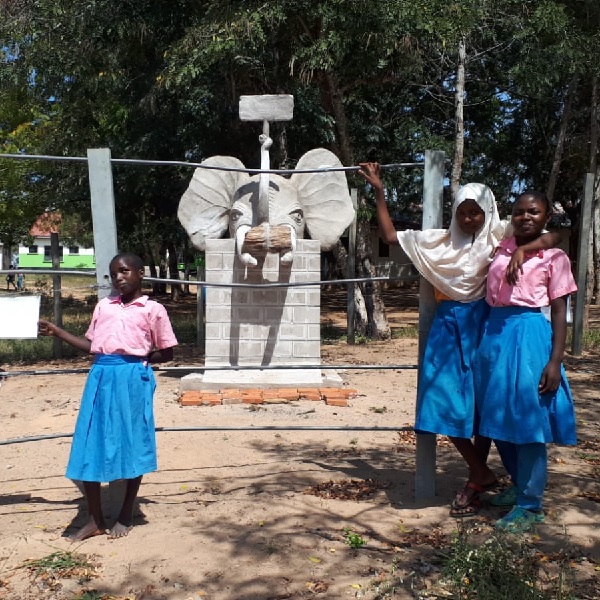
From Mombasa Island, one has to cross the channel south by ferry. You’ll exit the ferry onto Mombasa – Lunga Lunga Road for 18kms south, the turn right at Kombani Junction and drive 16kms to Kwale Town. From Kwale town drive further 22 km on dirt road North of Kwale Town to Mwachinga community. You will drive across the forest between the Shimba hills game reserve and Mawlauganje Elephants sancturay corridor. The school is adjacent to the Elephants Sanctuary which is a northern extension of the Shimba Hills National Reserve , covering an area of 36 square kilometers. It lies at an altitude of 440 feet above sea level. The Golini Escarpment serves as the Eastern boundary of the sanctuary. Mwaluganje Forest Reserve to the east is a plateau of approximately 30 square kilometers and 500 feet above sea level. The average annual temperature of the area is 24.2C.
Arrival and orientation
There are two options of arrival that volunteers can choose from:
First option: we recommend this option for volunteers staying shorter period and would like to maximize on their time at the placement. volunteers to book their flight to arrive at Moi international Airport in Mombasa Upon arrival volunteer will be met by one of Siriafrika Ecoventures placement coordinator and be transfered to a family stay accommodation in Mombasa for Bed and breakfast. Volunteers who arrive before 2pm will be transfered directly to their host family at the placement and they will be orientated at the project site the next day.
Those who will arrive later than 2pm will be accommodated in Mombasa, on day2 while in Mombasa Volunteers will have orientation with option of Mombasa city tour (Fort Jesus, Mombasa Old town, Haller park and Market ). After lunch volunteers will be driven to Mwachinga Village host family. On day3 volunteer will be taken to the School to meet the project members and be integrated in their program of work and activities at the project in Kwale town.
Second Option: Volunteers can opt to arrive in Nairobi Jomo Kenyatta International Airport (JKIA) in this case volunteers will spend 2 nights in Nairobi. on the second day following arrival day volunteers will have orientation with option of Nairobi city tour (Girraffe centre, animals orphanage, Elephants orphanage e.t.c). volunteers will travel by train the next day to Mombasa then have a transfer to the placement.
Typical Volunteer Schedule
First Day On your first day of volunteering, you will be introduced to the placement staff you will be working with meet the children at the school familiarize with the facility and the surrounding institutions. | |
WEEKDAYS SCHEDULE (MONDAY – FRIDAY) Work and break times are dependent on each project and placement. A typical volunteer day would be as follows | |
TIME DURATION | ACTIVITY |
07:00 – 08:00 HRS | Breakfast at accommodation |
08:00 -10:00 HRS | Work as per schedule at the placement |
10:00 -10:30 HRS | Tea or refreshment break |
10:30 – 13:00 HRS | Work as per schedule at the placement |
13:00 – 14: 00 HRS | Lunch break with lunch provided at the placement |
14:00 – 17:00 HRS | Work ends. Volunteers are free to relax, prepare for the next day or do some shopping |
20:00 HRS | Dinner at homestay |
WEEKENDS During the weekends, volunteers have spare time and usually relax or take the opportunity to explore other parts of the coastal region of Kenya. Volunteers can visit the Shimba hills National reserve, Kaya Forests, Kwale cultural centre, Shimba hills forest guides association etc Long weekends can be taken to travel further afield to destinations, such Diani beach, Mombasa City, Tsavo etc | |
Accommodation
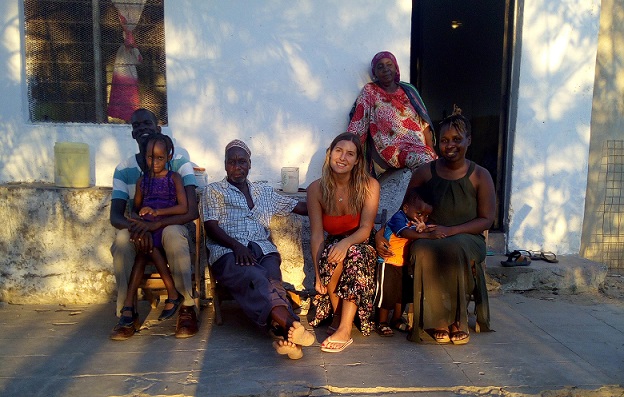
Volunteers are accommodated in a family stay kind of set up . With This option you’ll have an opportunity to learn the Kenyan way of life, meet local people, eat local food, speak the local language (Kiswahili & Chidogo) and engage in local customs and traditions. Families receive money from your program fee for support, food and board.
Living is basic, yet still comfortable, the volunteers house uses solar power for lighting and charging phone and laptops. You can expect to share a room with other volunteers, however in some times volunteers have their own rooms. It is important to note that there are tapped water collected from a common tap serving the village. The toilets are long drop pit latrines.
Bedding is provided, but it is recommended you bring your own towel and toiletries, as well as a sleeping bag if you wish to travel on the weekends.
Wi-Fi is not available in the majority of the homestays in the village. To keep connected, you can purchase a local SIM card with data for an unlocked mobile phone.
Meals
The wide range of Kenyan tribes, ethnicities and cultures are reflected in the diversity of the local cuisine. Volunteers are provided with three meals a day which are served at the accommodation and tend to be rich in carbohydrates.
Breakfast is served around 7am and generally consists of chai tea with or without milk, toast, fruit and sometimes mandazi – African donuts, chapati, Pancakes, Sweet potatoes, yams, boiled corn, cassava etc. A typical lunch can include vegetables with rice or ugali (corn meal), beans, peas, lentils, fish occasional meat and fruit and is served around 1pm. If you will be going out and not returning home for lunch, you will need to pack your own lunch in the morning. Dinner is usually served around 8pm and usually includes traditional food, such as ugali (cornmeal) or mashed potatoes or chapati with peas, meat, fresh water fish and vegetables.
The river water in not safe to drink without treatment or boiling , though bottled water is readily available. Volunteers typically drink about two liters per day, which adds up to cost around US$10 a week.
If you have any special dietary requirements, please make a note on your application so arrangements can be made. However, it is important that volunteers should not expect to eat as they normally do at home.
Pricing
DURATION | PROGRAM FEE | INCLUDED IN PRICE | NOT INCLUDED IN PRICE |
2 weeks | $415 |
|
|
3 weeks | $500 | ||
4 weeks | $584 | ||
5 weeks | $668 | ||
6 weeks | $752 | ||
8 weeks | $807 | ||
9+ weeks | Request price | ||
Payment is due 30 days prior to your arrival at the placement or 48hours in case of late registration
| |||
Gallery